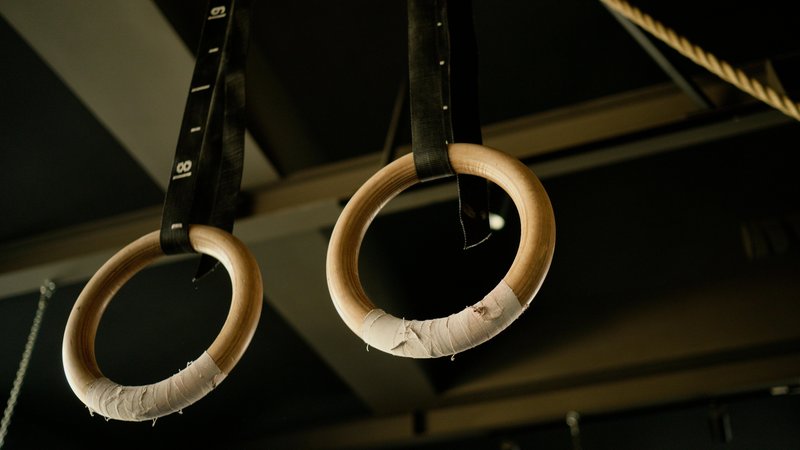
Hey calisthenics enthusiast—master of pull-ups and plank virtuoso! Whether you’re just getting started or chasing advanced skills like the front lever, this article will help you understand how to optimize your nutrition to excel in this demanding discipline.
Calisthenics blends strength, agility, and body control, which creates specific nutritional needs. Let’s break down the keys to balancing performance and smart fueling.
Calisthenics demands both raw strength and precise control. You’re building muscle while staying light and efficient—so your diet must support this unique balance. The right nutrition won’t just help you unlock new skills; it will also reduce injury risk and improve recovery.
Protein plays a central role in muscle repair, which is essential after intense calisthenics sessions. According to the Academy of Nutrition and Dietetics, a common recommendation for athletes is 1.2 to 2.0 g of protein per kilogram of body weight (Rodriguez et al., 2009).
Best protein sources:
Example:
A 70 kg athlete should aim for 84–140 g of protein per day to maintain and build muscle mass.
Calisthenics is energy-intensive, but overeating can be counterproductive. Research published in the Journal of Sports Sciences highlights the value of a slight calorie surplus for athletes in a muscle-building phase (Slater et al., 2019).
Smart strategy:
Vitamins and minerals are often overlooked, yet they’re essential:
Include in your diet:
Leafy greens, a wide variety of fruits, nuts, and healthy fats like avocado or olive oil.
In calisthenics, nutrition makes the difference. By following these principles, you’ll maximize your chances of reaching your goals—while building a stronger, more agile body.
To go further, explore reliable scientific resources like those from the National Strength and Conditioning Association (NSCA) or publications from the Academy of Nutrition and Dietetics.
Now let’s conquer those bars and reach new heights! 💪