Nutritional memory

Your meals, and what you say about them.

Nutritional memory is the history of your meals, enriched with the context you choose to share: where you were, who you were with, what made you pick that dish. Numbers and a story in the same place, meal after meal: enough to ask your eating questions no app could ever handle. It belongs to you.

8SepTuesday evening

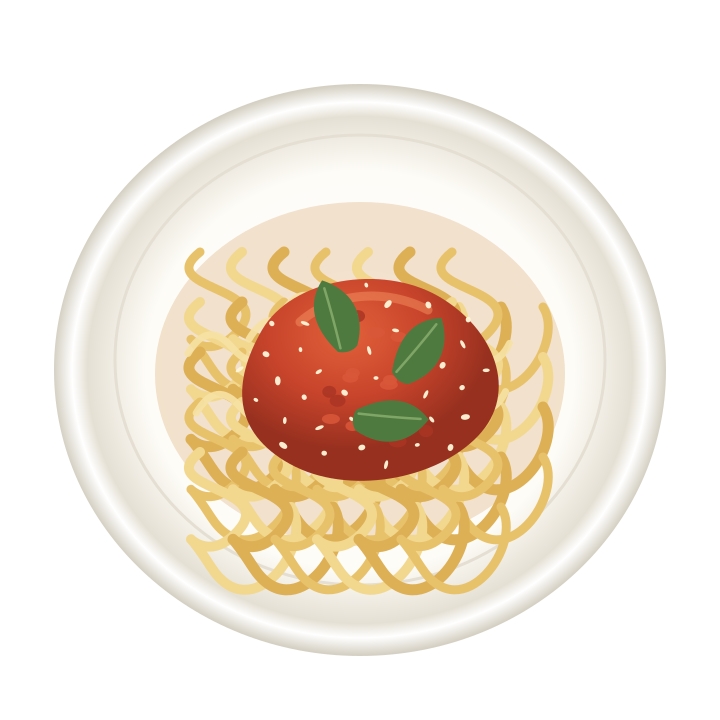
Pasta with tomato and basil

“Back from Rome on Sunday, I wanted to recreate the trattoria’s. Not quite there, but getting close.”
≈ 640 kcal · illustrative demo

Context

Context is what you choose to tell.

The moment, the craving, the people around the table, how hungry you were: these details matter as much as the ingredients when you want to find a meal again. The AI can find them or sum them up. What you haven’t told it, it doesn’t invent.

  1. The moment“Sunday, 11 am, brunch after training.”
  2. The craving“I’d been meaning to make this again since the summer.”
  3. The company“Six of us on the terrace, the dish was scraped clean.”
  4. Hunger“Properly hungry after 12 km, I took my time.”
  5. The goal“Big session tomorrow morning, I wanted to fuel up.”

To a dietitian, it’s a food diary.

Dietitians often ask their patients to keep a food diary: what they eat, but also the time, the place, who they were with, how hungry they were, what was going on around the meal.

Nutritional memory is that diary, kept by voice and preserved over time. It’s for you first. You can also open it to your dietitian with their code, and close the access whenever you want.

The page for dietitians

What it gives you

Thirty questions no app could ever handle.

A chart gives you an average. Your memory holds hundreds of meals, each with its numbers and your story. Plugged into a frontier AI, it crosses everything: periods, contexts, nutrients, weight, activity, goal. It’s the level of analysis of a data team, applied to your own eating.

Most of these questions mean connecting your AI (Pro). All of them are about what you’ve recorded, nothing else.

Cross your numbers with your story

  • What did I eat the night before and the morning of the days I say I had amazing energy in training?
  • Compare my lunches “at the office” and “at home”: protein, fibre, and what I say afterwards.
  • My dinners with friends and my dinners on my own: what changes, on the plate and in what I say about it?
  • After which breakfasts do I say I make it to lunch without thinking about food?
  • When I travel, what slips first: my protein, my vegetables or my mealtimes?

Detect your patterns

  • What are my five “autopilot” meals, and what are they worth against my goal?
  • Does my weekend undo my week? Compare Monday to Thursday with Friday to Sunday, over eight weeks.
  • Which foods have vanished from my plate since spring without my noticing?
  • My estimated free sugars: at what time, and in what situations, do they show up?
  • What sets my three-workout weeks apart from the others?

Push your charts further

  • My estimated omega-6 to omega-3 ratio has been climbing for three weeks: which meals are pushing it up, and in what contexts?
  • My weight hasn’t moved for five weeks: compare those weeks with the ones before, meal by meal, context included.
  • When my meal quality drops below 3 out of 5, what am I saying on those days?
  • My ten saltiest meals of the quarter: where, when and who with did I eat them?
  • Energy balance: which weeks end in surplus, and what do they have in common in what I say?

Measure your progress towards your goal

  • Here is my goal. Over the last six weeks, what’s moving the right way, and what’s stalling?
  • My share of animal protein over twelve months: how has it moved, and which plant-based dishes I liked could bring it down?
  • Is my estimated protein steadier this month than last month, day by day?
  • On days over 12,000 steps, do I eat differently before, during, after?
  • Based on my own habits, what are the three simplest changes to get closer to my goal?

Find what you loved

  • What was that curry at Léa’s in June, and what did I say about it?
  • Which dishes did I love this summer and never make again?
  • What did I put in that vinaigrette everyone talked about?
  • The chickpea rice: how many times did I make it this winter, and always on a Sunday evening?
  • Which meals ready in under fifteen minutes kept me going until the evening?

Decide what’s next

  • Build me a week of dinners from the dishes I loved, aiming for my targets.
  • Busy week ahead: which meals in my memory can be made the night before and hold up?
  • I’m running a half marathon in six weeks: what does my memory say about the nights before my long runs?
  • Write my shopping list to remake my four best lunches of the month.
  • Prepare a summary of my last four weeks for my appointment with my dietitian.

How to read your memory.

Your memory reflects what you’ve told it. A day with no entry isn’t a day with no meals.

The nutritional figures are estimates. What keeps coming back in your notes is an observation: it opens a question, it doesn’t give the cause.

If a professional is supporting you, your memory becomes a basis for discussion. Your lived experience and their judgement do the rest.

One memory, three ways to use it.

  • For youYour food log, day after day, and every Sunday evening a report that reads your week through your goal, the one you told in your own words. No goal? Your memory builds all the same.See
  • With ChatGPTInstall the Diet Mate plugin in ChatGPT, then authorise your account. Through MCP, your assistant reads the data you choose and answers using your logged meals. Optional, read-only, and included in Diet Mate Pro.See
  • With your dietitianOpen your food log to them with their code. You withdraw access whenever you want. Supporting you remains their job.See

Start with what you’d like to be able to find again.

One meal and one detail from your day are enough to begin.

The future of nutrition is memory.

La mémoire nutritionnelle

Tes repas, et ce que tu en racontes.

La mémoire nutritionnelle, c’est l’historique de tes repas, enrichi du contexte que tu choisis de confier : où tu étais, avec qui, ce qui t’a fait choisir ce plat. Des chiffres et un récit au même endroit, repas après repas : de quoi poser à ton alimentation des questions qu’aucune app ne savait traiter. Elle t’appartient.

8sept.mardi soir

Pâtes à la tomate et au basilic

« Retour de Rome dimanche, je voulais refaire celles de la trattoria. Pas encore ça, mais on s’approche. »
≈ 640 kcal · démonstration illustrée

Le contexte

Le contexte, c’est ce que tu racontes.

Le moment, l’envie, les gens autour de la table, la faim : ces détails comptent autant que les ingrédients quand tu veux retrouver un repas. L’IA peut les retrouver ou les résumer. Ce que tu n’as pas raconté, elle ne l’invente pas.

  1. Le moment« Dimanche, 11 h, brunch après la séance. »
  2. L’envie« Ça faisait depuis l’été que je voulais refaire ce plat. »
  3. Les autres« On était six sur la terrasse, y a plus rien eu dans le plat. »
  4. La faim« Vraiment faim après 12 km, j’ai pris mon temps. »
  5. L’objectif« Grosse séance demain matin, je voulais faire le plein. »

Pour un diététicien, c’est un carnet alimentaire.

Les diététiciens demandent souvent à leurs patients de tenir un carnet alimentaire : ce qu’ils mangent, mais aussi l’heure, le lieu, avec qui, la faim, ce qui s’est passé autour.

La mémoire nutritionnelle, c’est ce carnet, tenu à la voix et gardé dans le temps. Elle sert d’abord à toi. Tu peux aussi l’ouvrir à ta diététicienne ou à ton diététicien avec son code, et refermer l’accès quand tu veux.

La page dédiée aux diététiciens

Ce que ça te donne

Trente questions qu’aucune app ne savait traiter.

Un graphique te donne une moyenne. Ta mémoire, elle, contient des centaines de repas, chacun avec ses chiffres et ton récit. Branchée à une IA de pointe, elle croise tout : périodes, contextes, nutriments, poids, activité, objectif. C’est le niveau d’analyse d’un service de données, appliqué à ta propre alimentation.

La plupart de ces questions supposent de connecter ton IA (offre Pro). Toutes portent sur ce que tu as enregistré, rien d’autre.

Croiser tes chiffres et ton récit

  • Qu’est-ce que j’ai mangé la veille et le matin des jours où je dis avoir une énergie folle à l’entraînement ?
  • Compare mes déjeuners « au bureau » et « à la maison » : protéines, fibres, et ce que j’en dis après.
  • Mes dîners entre amis et mes dîners en solo : qu’est-ce qui change, dans l’assiette et dans ce que j’en dis ?
  • Après quels petits-déjeuners je dis tenir jusqu’au déjeuner sans y penser ?
  • En déplacement, qu’est-ce qui décroche en premier : mes protéines, mes légumes ou mes horaires ?

Détecter tes schémas

  • Quels sont mes cinq repas « pilote automatique », et que valent-ils par rapport à mon objectif ?
  • Mon week-end défait-il ma semaine ? Compare lundi à jeudi et vendredi à dimanche, sur huit semaines.
  • Quels aliments ont disparu de mon assiette depuis le printemps sans que je m’en rende compte ?
  • Mes sucres libres estimés : à quelle heure, et dans quelles situations, ils arrivent ?
  • Qu’est-ce qui distingue mes semaines à trois séances de sport des autres ?

Pousser tes graphiques plus loin

  • Mon ratio oméga-6 sur oméga-3 estimé grimpe depuis trois semaines : quels repas le tirent vers le haut, et dans quels contextes ?
  • Mon poids ne bouge plus depuis cinq semaines : compare ces semaines aux précédentes, repas par repas, contexte compris.
  • Quand la qualité de mes repas passe sous 3 sur 5, qu’est-ce que je raconte ces jours-là ?
  • Mes dix repas les plus salés du trimestre : où, quand et avec qui je les ai mangés ?
  • Bilan énergétique : quelles semaines finissent en excédent, et qu’ont-elles en commun dans ce que je raconte ?

Mesurer ta progression vers ton objectif

  • Voilà mon objectif. Sur les six dernières semaines, qu’est-ce qui va dans le bon sens, et qu’est-ce qui stagne ?
  • Ma part de protéines animales sur douze mois : comment elle a bougé, et quels plats végétaux que j’ai aimés pourraient la faire baisser ?
  • Mes protéines estimées sont-elles plus régulières ce mois-ci que le mois dernier, jour par jour ?
  • Les jours à plus de 12 000 pas, est-ce que je mange différemment avant, pendant, après ?
  • D’après mes propres habitudes, quels sont les trois changements les plus simples pour me rapprocher de mon objectif ?

Retrouver ce qui t’a plu

  • C’était quoi, ce curry chez Léa en juin, et qu’est-ce que j’en avais dit ?
  • Quels plats j’ai adorés cet été et jamais refaits ?
  • Qu’est-ce que j’avais mis dans cette vinaigrette dont tout le monde a parlé ?
  • Le riz aux pois chiches, je l’ai fait combien de fois cet hiver, et toujours le dimanche soir ?
  • Quels repas prêts en moins de quinze minutes me tenaient jusqu’au soir ?

Décider de la suite

  • Construis-moi une semaine de dîners à partir des plats que j’ai adorés, en visant mes repères.
  • Semaine chargée en vue : quels repas de ma mémoire se préparent la veille et tiennent la route ?
  • Je cours un semi dans six semaines : qu’est-ce que ma mémoire dit de mes veilles de sortie longue ?
  • Fais ma liste de courses pour refaire mes quatre meilleurs déjeuners du mois.
  • Prépare la synthèse de mes quatre dernières semaines pour mon rendez-vous avec ma diététicienne.

Comment lire ta mémoire.

Ta mémoire reflète ce que tu lui as confié. Un jour sans entrée n’est pas un jour sans repas.

Les repères nutritionnels sont des estimations. Ce qui revient dans tes notes est une observation : elle ouvre une question, elle n’en donne pas la cause.

Si un professionnel t’accompagne, ta mémoire devient un support de discussion. Ton vécu et son jugement font le reste.

Une mémoire, trois façons de t’en servir.

  • Pour toiTon journal, jour après jour, et chaque dimanche soir un rapport qui lit ta semaine à travers ton objectif, celui que tu as raconté avec tes mots. Pas d’objectif ? Ta mémoire se construit quand même.Voir
  • Avec ChatGPTInstalle le plugin Diet Mate dans ChatGPT, puis autorise ton compte. Grâce au MCP, ton assistant lit les données choisies et répond à partir de tes repas enregistrés. Connexion facultative, en lecture seule, incluse dans Diet Mate Pro.Voir
  • Avec ton diététicienOuvre-lui ton journal avec son code. Tu retires l’accès quand tu veux. L’accompagnement reste son métier.Voir

Commence par ce que tu aimerais pouvoir retrouver.

Un repas et un détail de ta journée suffisent pour commencer.

Le futur de la nutrition, c’est la mémoire.

栄養メモリー

あなたの食事と、それについて話したこと。

栄養メモリーとは、食事の履歴に、あなたが伝えることを選んだ状況を添えたものです。どこにいたか、誰と一緒だったか、なぜその料理を選んだのか。数値とストーリーが、一食ごとに同じ場所に残ります。だから、これまでどのアプリにも答えられなかった食事の質問ができます。栄養メモリーは、あなたのものです。

89月火曜の夜

トマトとバジルのパスタ

「日曜にローマから帰ってきて、あのトラットリアの味を再現したくて。まだまだだけど、近づいてきた」
≈ 640 kcal · 表示はイメージです

状況

状況とは、あなたが話すと決めたこと。

食べた時間、食べたかったもの、一緒に食卓を囲んだ人、お腹の空き具合。食事を思い出したいとき、こうした細部は食材と同じくらい大切です。AIはそれを探したり、まとめたりできます。あなたが話していないことを、AIが作り出すことはありません。

  1. タイミング「日曜の11時、トレーニング後のブランチ」
  2. 食べたかったもの「夏からずっと、また作りたいと思ってた料理」
  3. 一緒にいた人「テラスで6人。お皿はきれいに空っぽになった」
  4. 空腹感「12 kmのハイキングのあとで、お腹ぺこぺこ。ゆっくり味わった」
  5. 目的「明日の朝はハードな練習。しっかり食べておきたかった」

管理栄養士にとっては、食事記録です。

管理栄養士は、患者さんに食事記録をつけてもらうことがよくあります。食べたものだけでなく、時間、場所、誰と一緒だったか、お腹の空き具合、食事のまわりで何があったかまで。

栄養メモリーは、その食事記録を声でつけて、長く残せるようにしたものです。まずは、あなた自身のためのもの。担当の管理栄養士の連携コードを入力すれば共有でき、いつでも共有を解除できます。

管理栄養士の方向けのページ

できること

これまでのアプリでは答えられなかった、30の質問。

グラフが教えてくれるのは平均値です。栄養メモリーには、何百もの食事が、それぞれの数値とあなたのストーリーと一緒に残っています。最先端のAIにつなげば、期間、状況、栄養素、体重、活動量、目標をすべてかけ合わせて分析できます。データ分析チーム並みの分析を、あなた自身の食事に。

ほとんどの質問には、AIとの連携(Pro)が必要です。どの質問も、あなたが記録した内容だけをもとにしています。

数値とストーリーをかけ合わせる

  • トレーニングで「すごく調子がよかった」と話した日、前の晩と当日の朝に何を食べてた?
  • 「職場で」の昼食と「家で」の昼食を比べて。たんぱく質、食物繊維、食べたあとに話していること。
  • 友だちとの夕食と、ひとりの夕食。お皿の中身と、話している内容で何が違う?
  • どんな朝食のあとだと、「お昼まで食べ物のことを考えずにいられた」と話してる?
  • 出張や旅行のとき、最初に崩れるのはどれ? たんぱく質、野菜、それとも食事の時間?

自分の傾向を見つける

  • 無意識に選んでいる「定番」の食事5つは? 目標から見て、どう評価できる?
  • 週末が、平日の積み重ねを帳消しにしてる? 直近8週間で、月〜木曜と金〜日曜を比べて。
  • 春から、気づかないうちに食卓から消えた食品は?
  • 推定の遊離糖類は、何時ごろ、どんな状況でとっていることが多い?
  • 週3回トレーニングした週は、ほかの週と何が違う?

グラフの先まで読み解く

  • オメガ6/オメガ3の比率の推定値が、3週間上がり続けてる。どの食事が押し上げてる? どんな状況で?
  • 5週間、体重が変わらない。この5週間とそれ以前の週を、状況も含めて一食ずつ比べて。
  • 食事の評価が5点中3点を下回る日、私は何を話してる?
  • この3か月で塩分が多かった食事トップ10。どこで、いつ、誰と食べた?
  • エネルギー収支。摂取が消費を上回った週はどれ? その週に話していることの共通点は?

目標への進み具合を確かめる

  • これが私の目標。この6週間で、いい方向に進んでいることと、止まっていることは?
  • この12か月の動物性たんぱく質の割合はどう変わった? 気に入った植物性の料理で、割合を下げられそうなものは?
  • 推定のたんぱく質は、日ごとに見て、先月より今月のほうが安定してる?
  • 12,000歩を超えた日は、その前、最中、あとで食べ方が違う?
  • 私自身の習慣から考えて、目標に近づくためのいちばん簡単な変化を3つ挙げて。

気に入ったものを探す

  • 6月にレアの家で食べたあのカレー、何だった? そのとき何て話してた?
  • この夏に気に入ったのに、それきり作っていない料理は?
  • みんなが話題にしてたあのドレッシング、何を入れたんだっけ?
  • ひよこ豆のごはん、この冬に何回作った? いつも日曜の夜だった?
  • 15分以内で作れて、夜までお腹がもった食事は?

次の一手を決める

  • 気に入った料理から、私の目安に合う1週間分の夕食を組み立てて。
  • 来週は忙しい。メモリーにある食事で、前の晩に作り置きできて、翌日もおいしく食べられるものは?
  • 6週間後にハーフマラソンを走る。ロング走の前の晩について、メモリーから何がわかる?
  • 今月いちばんよかった昼食4つをまた作るための、買い物リストを作って。
  • 管理栄養士との面談に向けて、直近4週間のまとめを作って。

栄養メモリーの読み方。

栄養メモリーに残るのは、あなたが話したことです。記録のない日は、食事をしなかった日ではありません。

栄養の数値は推定値です。記録の中で繰り返し出てくることは、ひとつの観察です。問いのきっかけにはなりますが、原因を示すものではありません。

専門家のサポートを受けているなら、栄養メモリーは話し合いのたたき台になります。あとは、あなたの実感と専門家の判断にゆだねてください。
ひとつの栄養メモリー、3つの使い方。

  • 自分のために毎日の食事記録と、毎週月曜の朝に届く週間レポート。自分の言葉で話した目標に沿って、1週間を読み解きます。目標がなくても、栄養メモリーはちゃんと積み重なります。見る
  • ChatGPTとChatGPTのDiet Mateプラグインをインストールして、アカウントへのアクセスを許可します。MCPを通じて、AIアシスタントがあなたの選んだデータを読み取り、記録した食事をもとに答えます。連携は任意で、読み取り専用。Diet Mate Proに含まれます。見る
  • 管理栄養士と連携コードを入力して、食事記録を共有します。共有はいつでも解除できます。あなたをサポートするのは、あくまで管理栄養士の役割です。見る

あとで思い出したいことから、始めましょう。

食事をひとつと、その日のちょっとしたことをひとつ。それだけで始められます。

栄養の未来は、メモリーにある。